
Feasibility Study
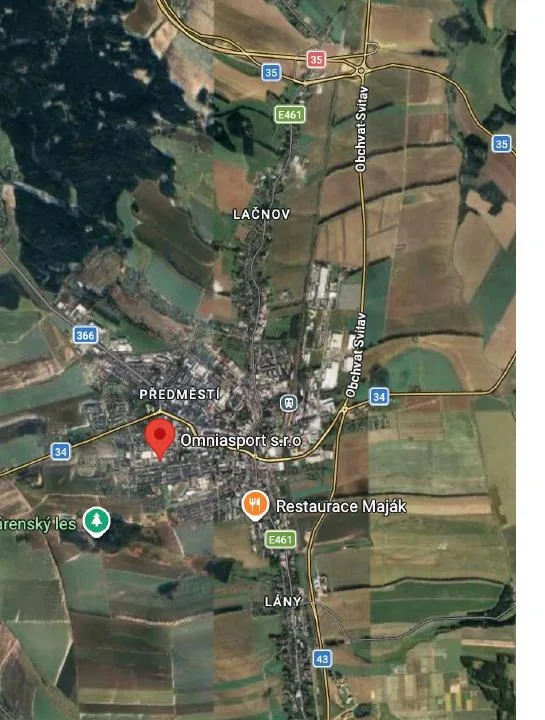
We prepare an independent feasibility study before every charging HUB, assessing both technical and economic aspects of the project. An example is the study prepared for the Omniasport project in Svitavy.
Project goal
- The goal of this study is to assess the technical and economic feasibility of building a public charging HUB for electric vehicles.
The project focuses on:
- development of e-mobility infrastructure
- increasing the attractiveness of the location
- creating a new source of income
- supporting sustainable mobility
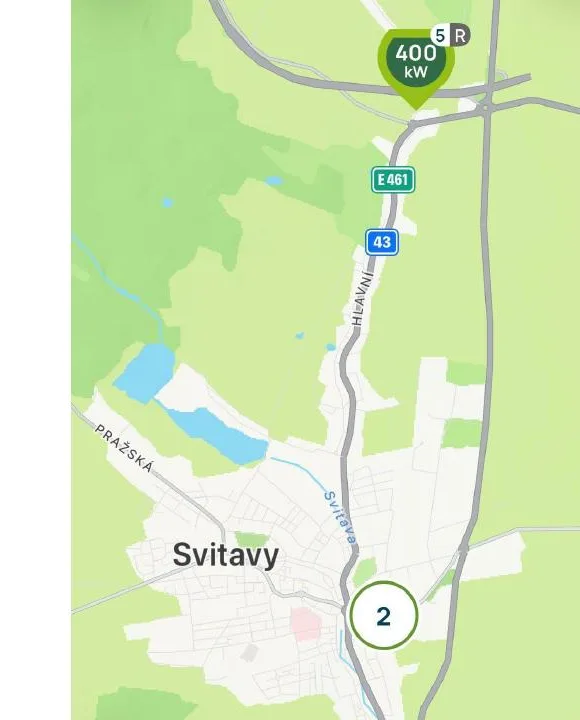
Project location
The location is suitable for:
- Strategic location with good transport accessibility
- Close to main transport routes
- Suitable for transit and local customers
- Available infrastructure (electrical connection)
- short stops (20–40 minutes)
- visitors of nearby premises
- corporate clients e.g. GLS
Market analysis
Market opportunity:
- Dynamic growth of e-mobility in the Czech Republic and EU
- Insufficient coverage of DC charging infrastructure
- Growing demand for fast charging
- Increasing number of EVs > 30% per year
- development of public charging HUBs
- lack of infrastructure outside main routes
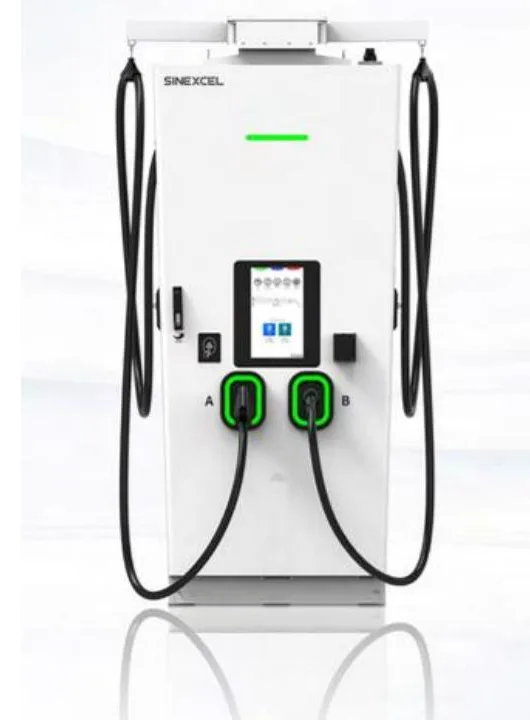
Charging HUB concept
Proposed solution:
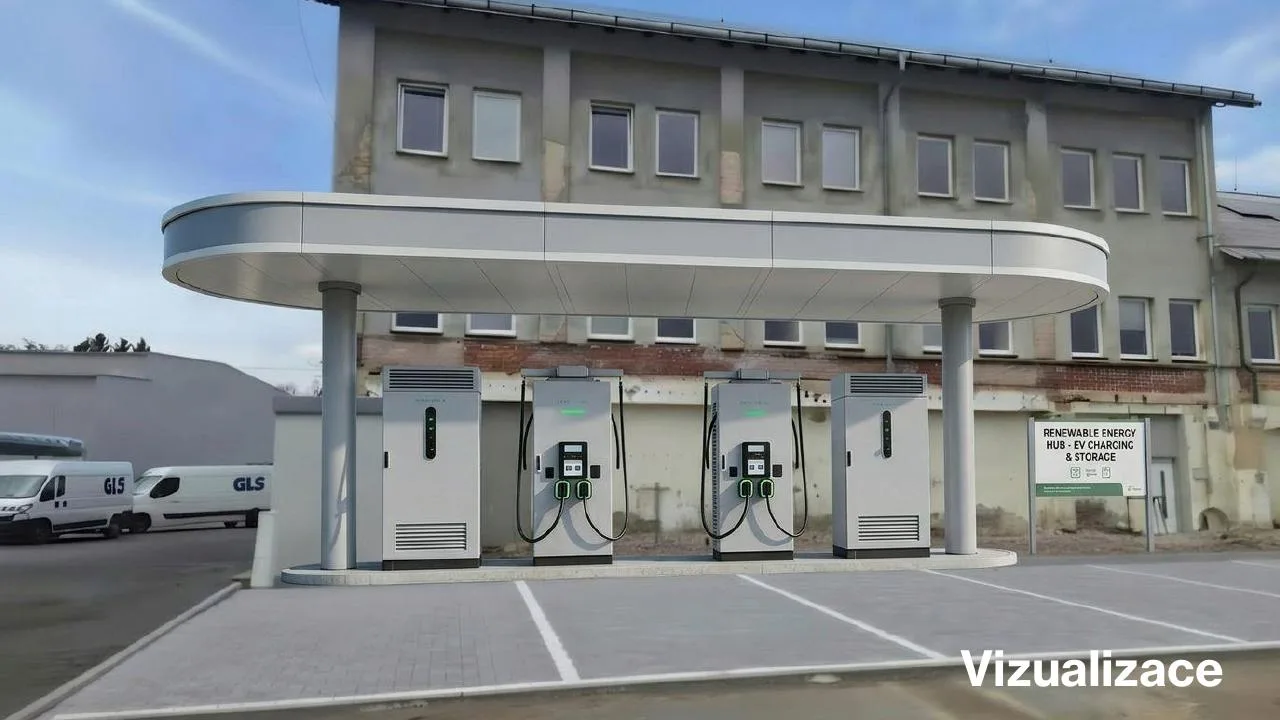
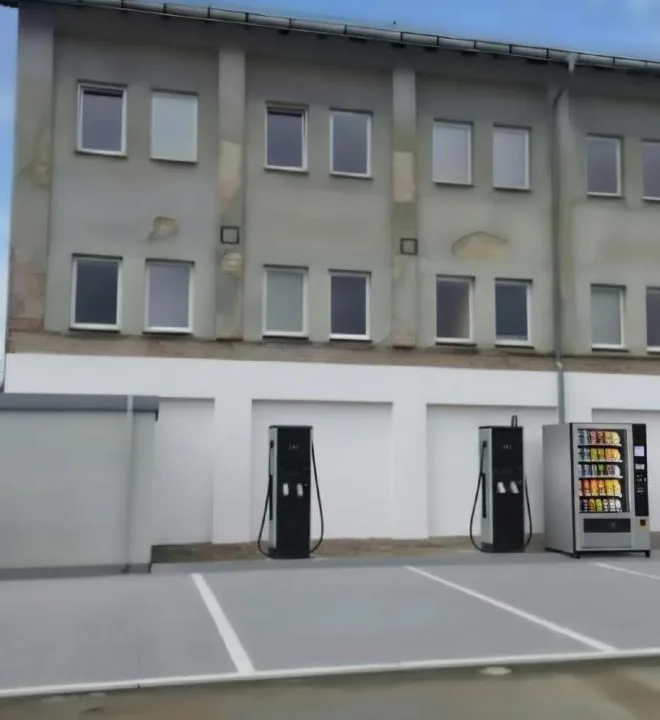
- 2× DC fast charging stations (approx. 120 kW)
- 4 charging parking spaces
- CCS2 connectors (EU standard)
The system is designed as:
- modular
- scalable
- ready for future expansion
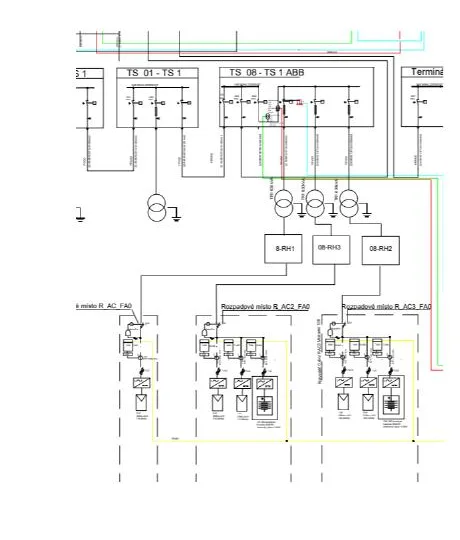
Technical architecture
The system will consist of the following components:
- DC charging stations
- battery energy storage (BESS)
- photovoltaic power plant (PV)
- distribution grid connection
- energy management system (EMS)
The goal is to optimize consumption and performance.
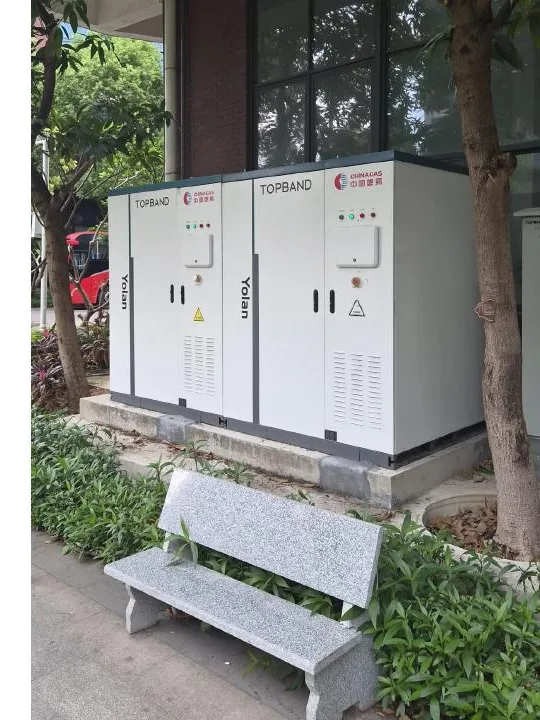
Battery energy storage (BESS)
Purpose of the battery system:
- reduction of reserved power
- energy storage
- peak shaving
- operation stabilization
Benefits:
- reduction of operating costs
- higher system efficiency
Energy model
Energy flow in the system:
- grid → BESS → chargers
- PV → BESS → chargers
Benefits:
- consumption optimization
- grid load reduction
- better use of renewable sources
Project economics
Basic assumptions:
charging price: approx. 12 CZK/kWh
daily utilization: 2–4 hours
annual revenue: approx. 1–2 million CZK
Return on investment:
approx. 1–2 years (depending on utilization)
Business model
Main revenue sources:
Charging services (kWh)
additional services (parking, on-site services)
partnerships and cooperation
Option for a dynamic pricing model.
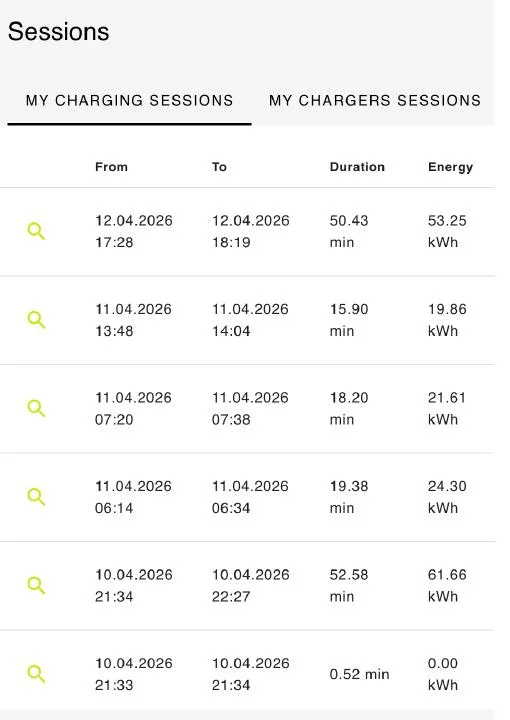
Operation and management
- remote monitoring of charging stations
- backend system (OCPP)
- user and payment management
- service and maintenance
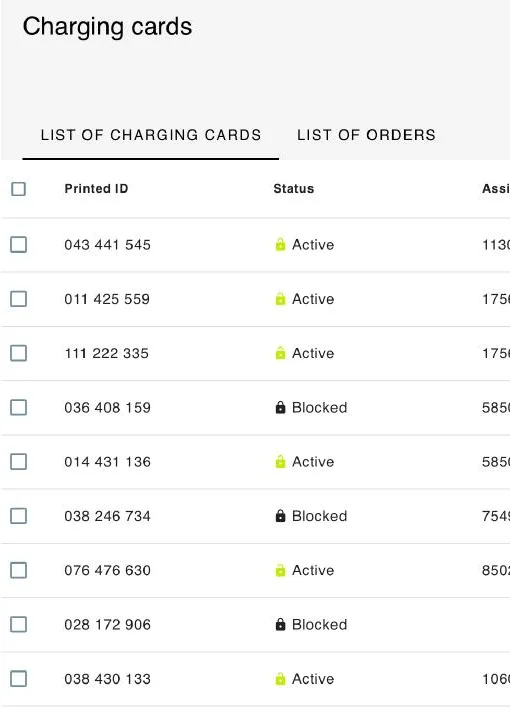
User comfort
- easy to use
- RFID cards / mobile app
- contactless payment option
- clear display
The goal is maximum user friendliness.
Expansion options
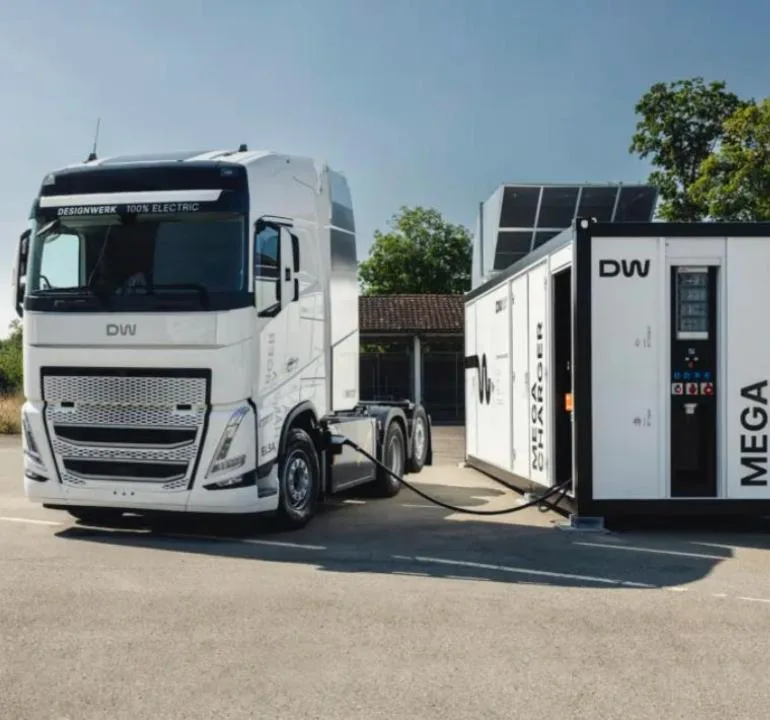
- increasing charger power (e.g. 240 kW)
- expanding the number of charging points
- MCS (megawatt charging) integration
- expansion of BESS and PV
Conclusion
The project represents:
- a technically feasible solution
- an economically attractive investment
- support for e-mobility development
The charging HUB has the potential to become a key element of infrastructure in the given location.